Over eight decades, JBL has navigated profound transformations in how music is produced, listened to, and consumed. From Hollywood to major concerts, and from studios to living rooms, the brand has built its history by keeping pace with changing habits and found its second-largest global market in Brazil.
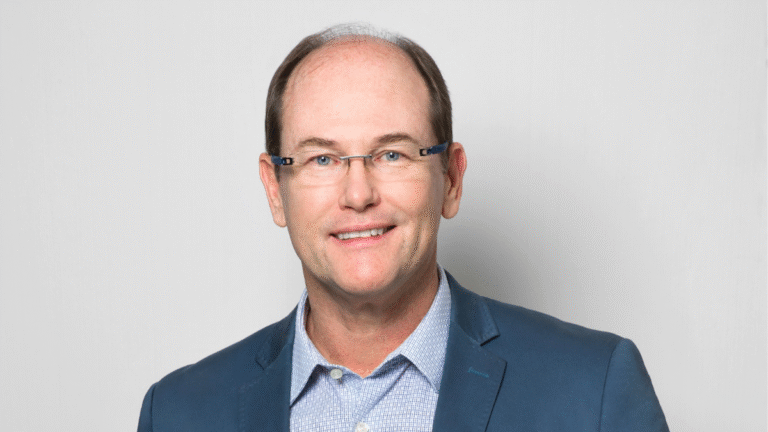
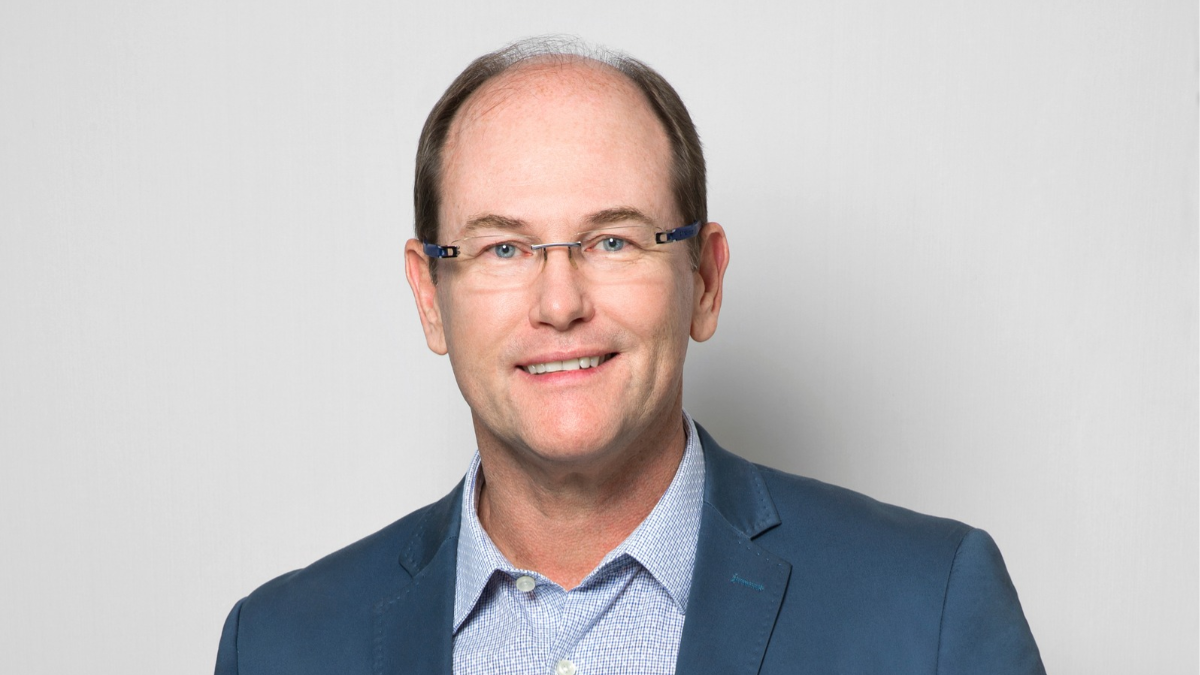
In an interview with Eletrolar News Magazine, Rodrigo Rihl Kniest, Senior Vice President and General Manager of Lifestyle for South America and President of Harman Brazil, the company that owns JBL says that this ability to interpret different lifestyles lies at the heart of the brand’s longevity. He reflects on pivotal moments in the company’s journey, discusses the Brazilian consumer’s influence on product development, and looks ahead to the next chapters of an industry in constant flux.
READ THE INTERVIEW BELOW:
ELETROLAR NEWS – JBL TURNS 80 IN 2026. WHICH MOMENTS WOULD YOU HIGHLIGHT AS THE MOST IMPORTANT?
Rodrigo Rihl Kniest – The first major moment was its inception with James B. Lansing a genius, a scientist, and a man of incredible creativity. He developed a loudspeaker and several sound systems that are still in use today.
One of the first markets he targeted was Hollywood, just as cinema was beginning to incorporate sound. Creating audio that sounded good in a large theater was a major challenge. Later, James moved into the realm of large-scale concerts and then the recording studio market, where professionals were impressed by the quality.
As the decades passed, he took a bold step by launching a product designed for home use. The first such product was the L100 speaker, aimed at audiophile music lovers and affluent consumers who could afford it in the 1970s.
That was a crucial moment because it marked the brand’s entry into people’s homes. From there, it was only a matter of time before the products became more mainstream and more affordable solutions were introduced.
I also have to mention that in 1969 if I recall correctly JBL was acquired by Harman. That is what gave JBL the scale to start considering entering people’s homes, because up until then, it was still essentially a workshop for audio equipment and technology, with limited production.
That evolution took another turn when Samsung acquired Harman in its entirety in 2017.
HOW, OVER EIGHT DECADES, HAS JBL MANAGED TO STAY RELEVANT?
I think the root of it all is this issue of understanding who the user will be. More than the market, more than the segment. It has a very in-depth segmentation to understand each way our equipment is used.
This is the core and core of JBL’s success. Because it is not just a segmentation, for example, of age group, but of lifestyle.
And the company has always been very concerned about communicating with these segmented groups.
BRAZIL IS JBL’S SECOND LARGEST MARKET IN THE WORLD. HOW IMPORTANT IS OUR MARKET?
The United States is first, and we are second in the world. We are ahead of very important countries. We are ahead of Germany, China, India, Japan, for example.
JBL purchased a Brazilian company, Selenium, which manufactured speakers and sound systems for the professional audio market and the automobile market. When it entered Brazil, I dare say that JBL at that time was already dozens of years old. And it added to Selenium’s 52 years of knowledge of the Brazilian market. At that time, I was there, I was the CEO of Selenium, and we were already exporting to 72 countries around the world.
This was an important point for success. The second is adaptation to Brazil. Our market has some unique characteristics. The question of how electrical energy reaches the equipment, which has peaks and voltage variations, to the marketing issues of sound preference. We like a more pumped-up sound, a more vivid sound.
And, in a third moment, we started creating products. And we still create products today. Because, with Selenium we invented products. With JBL do Brasil, we continue to make products, we continue to invent products that are then used in other markets.
One of these products is PartyBox. We asked for the sound tower more than 10 years ago. The JBL Boombox was already a huge success in Brazil, with the greatest demand worldwide. More than a third of all boomboxes in the world are sold in Brazil. But this was the biggest speaker we had for people’s homes.
The Brazilian consumer ends up showing the ways to develop products. We listen, we understand with our engineering, with our marketing, which evaluates potential markets for us to enter.
CAN WE SAY THAT BRAZIL IS A HOTBED OF INNOVATION FOR JBL?
Without a doubt. Take “EasyThink,” for example I wouldn’t say we invented it, but we certainly asked for it. Years ago, when we saw prototypes of a speaker that would use AI to separate music tracks, we discussed creating a karaoke-style product.
WHAT ARE THE CHALLENGES OF THE BRAZILIAN MARKET?
The first challenge in Brazil is Brazil itself. The entire tax burden, the “Brazil cost,” the logistical hurdles that’s just the norm. Every company faces these difficulties, and honestly, we view them as a challenge to do even better.
But one thing that really bothers us and something we try to address in collaboration with government institutions is piracy.
There are various levels of piracy. There’s “premium” piracy, where they copy your product and slap the JBL logo on it, and then there are subtler forms, like companies that take the design and the product’s “vibe,” use a different name but keep the same typeface, and do whatever they can to make it look like a JBL product.
We place great importance on adapting and certifying our products to ensure they are 100% suited to the local market. We have products available elsewhere in the world that aren’t certified for Brazil, yet sometimes they still arrive here through illegal imports.
WHICH CATEGORIES ARE LIKELY TO GAIN THE MOST GROUND IN BRAZIL?
Headphones, because they have unique characteristics. They are audio equipment, sure, but on one hand, they create your own personal bubble, and on the other, they’re an expression of your personality. It’s like a decorative accessory you carry in your daily life, something that shows who you are.
I think that more and more people are discovering that headphones are a form of self-expression that there’s an ideal pair for every moment and they end up collecting them. Because of that, I believe this category holds the most potential.
LOOKING AHEAD TO THE NEXT 80 YEARS, WHAT CAN WE EXPECT FROM JBL?
A lot of innovation, high quality, and deep understanding. JBL has opened new markets and positioned itself within new ways of experiencing sound both professionally and for leisure and has always adapted remarkably well in the process.
Society goes through different phases, and the company remains keenly Up to date and continues to evolve alongside it, delivering high-quality, innovative solutions tailored to these changing times.
I firmly believe that for the next 80 years, the brand will continue to keep doing just that, introducing new products and new ways to enjoy sound and audio as the world and our habits evolve.