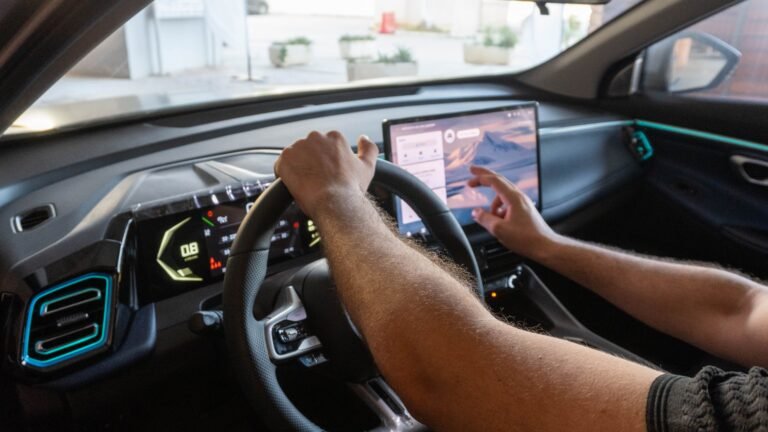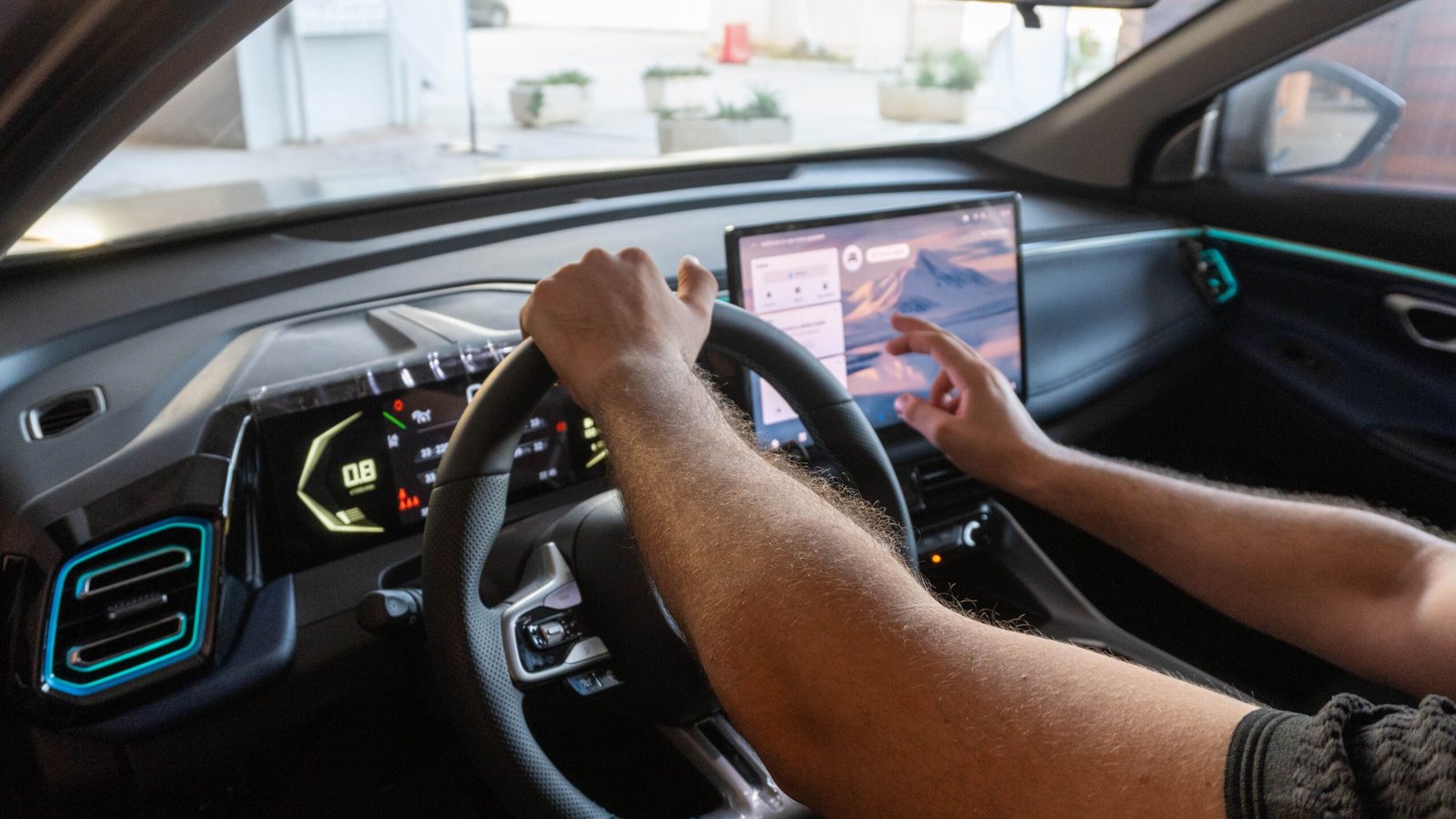
A new car leaves the dealership, and months later, gains brand-new features without needing a single physical part replaced or a service appointment. The change doesn’t happen in mechanics, but in the code, layer controlling the vehicle’s architecture: the software.
With advances in connectivity and data processing power, vehicles are transforming into digital platforms on wheels. In other words, the car ceases to be merely a mechanical product and begins to function as a connected device capable of receiving updates, integrating digital services, and generating real-time data.
“This transformation creates a continuous connection between the user, the automaker, the dealership, and service providers, enabling a more personalized experience while opening up new business opportunities based on connectivity, services, and subscriptions,” reveals Leandro Teixeira, Head of Product at OMODA & JAECOO Brazil.
In practice, an increasing share of a vehicle’s functionality is managed by digital systems rather than just isolated mechanical or electronic components. Features such as Advanced Driver Assistance Systems (ADAS), head-up displays (HUD), connectivity, energy management, and user experiences rely directly on embedded software, yet the driver remains the one who defines how the vehicle is used.
“The vehicle becomes smarter, connected, and capable of evolving throughout its lifecycle. This requires more integrated electronic architecture, where different modules and systems communicate efficiently. From a business perspective, this transformation allows for the offering of new features, continuous improvements, and digital services, adding value to the customer even after the purchase and providing a high level of functional integration,” adds Leonardo Lukacs, Director of Engineering, Manufacturing, and R&D at GAC Brasil.
In this landscape, Teixeira believes the areas likely to evolve most rapidly are connectivity, driving assistance, remote control, and the in-car digital experience. Vehicles will become increasingly capable of interpreting environmental information in real time such as traffic conditions, signage, and road behavior, thereby enhancing safety and driver-assistance features.
REMOTE UPDATES ARE A GAMECHANGER
Remote updates, also known as over-the-air (OTA), are a key differentiator for connected cars. Alexandre Aquino, Director of Product and Training at BYD, explains that these features represent a major step forward for consumers, allowing their vehicles to receive significant upgrades as soon as they are released.
“Remote updates allow vehicles to receive software improvements, security patches, and even new features without the need to visit a dealership. This brings the automotive experience closer to what we already see with smartphones and other connected devices,” notes the OMODA & JAECOO executive.
However, Lukacs points out that updates involving homologated components, safety-critical systems, or features subject to regulatory requirements must follow specific procedures and undergo rigorous technical assessments.
“For the consumer, the main benefit is owning a vehicle that can continuously evolve over time. For automakers, OTA updates serve as a strategic tool to enhance product quality, accelerate improvements, and strengthen post-sales customer relationships,” he reveals.
Although it might initially seem that technology would accelerate vehicle obsolescence, the executives agree that the reality is quite the opposite. “The goal is to ensure consumers don’t have to replace their cars every time a significant new feature hits the market,” states Aquino.
EXTENDING THE VEHICLE’S LIFESPAN
According to Lukacs, vehicles are continuously improving in terms of quality, durability, and reliability trends reflected in the increasingly extensive warranties offered by manufacturers. Modern hardware is built to withstand long service lives, while components such as batteries in electrified vehicles are designed to retain their capacity over many years of use.
“Furthermore, the integration of hardware and software is planned from the initial stages of development, allowing vehicles to keep pace with technological evolution safely and efficiently. The goal is not to accelerate obsolescence, but to offer continuously improved customer experience,” says the GAC executive.
OPPORTUNITIES ON THE HORIZON
This transformation tends to make the entire automotive ecosystem more connected and efficient. “Dealerships will be able to offer remote diagnostics and personalized services; repair shops will have access to more precise information on vehicle status; technology suppliers will gain strategic relevance; and automakers will be able to monitor product performance in real time. The result will be a more integrated value chain, with faster problem resolution and better consumer experience,” notes the OMODA & JAECOO executive.
According to Aquino, this creates more opportunities for everyone involved in the production and sales chains from technology developers to dealerships. Dealerships play a fundamental role in the process, whether by offering customer updates, educating clients on available possibilities, or most importantly highlighting the advantages that can be enjoyed in daily life. In practice, the car salesperson naturally evolves into a technology consultant.
For this to become a reality, the key competitive advantage will be the ability to integrate hardware and software efficiently and seamlessly for the customer. High-quality physical components remain essential, as do increasingly sophisticated software, but the true value lies in how these elements work together to deliver safety, comfort, performance, connectivity, and ease of use.
“The most competitive vehicles will be those capable of combining robust electronic architecture with intelligent, updatable software, offering a consistent and evolving experience throughout the product’s lifecycle. In other words, it won’t be hardware or software alone that sets a brand apart, but the excellence of their integration,” observes Lukacs.
Teixeira concludes by stating that while consumers will continue to value traditional attributes such as safety, performance, comfort, and build quality, the digital experience will play an increasingly significant role in purchasing decisions.